
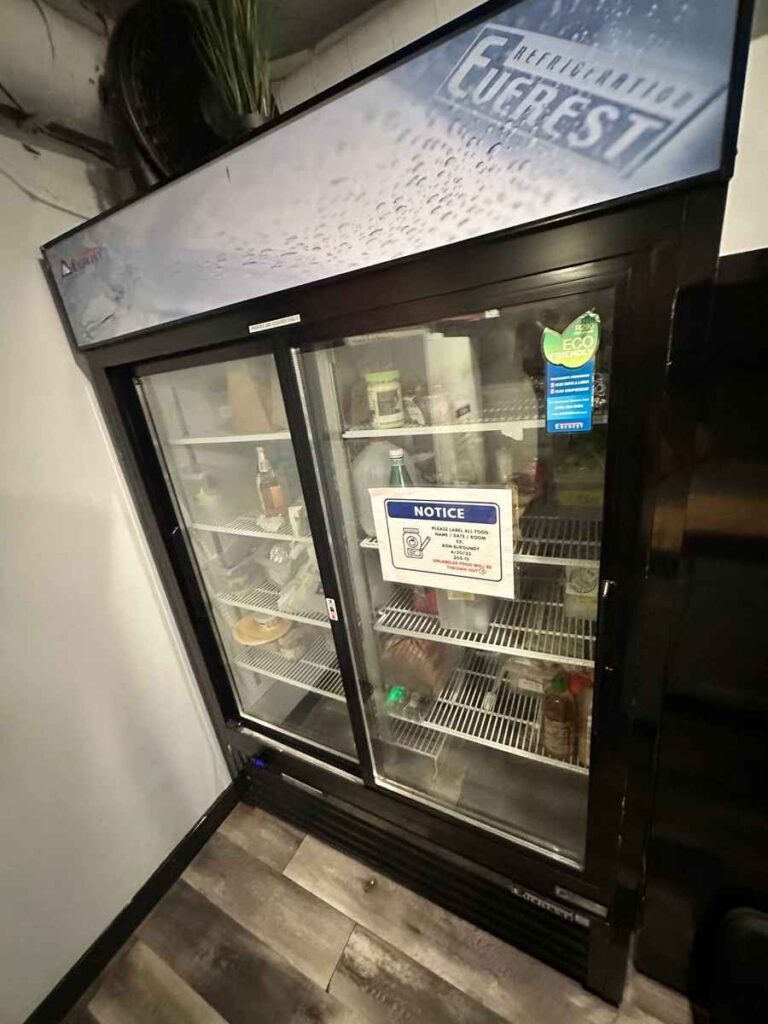
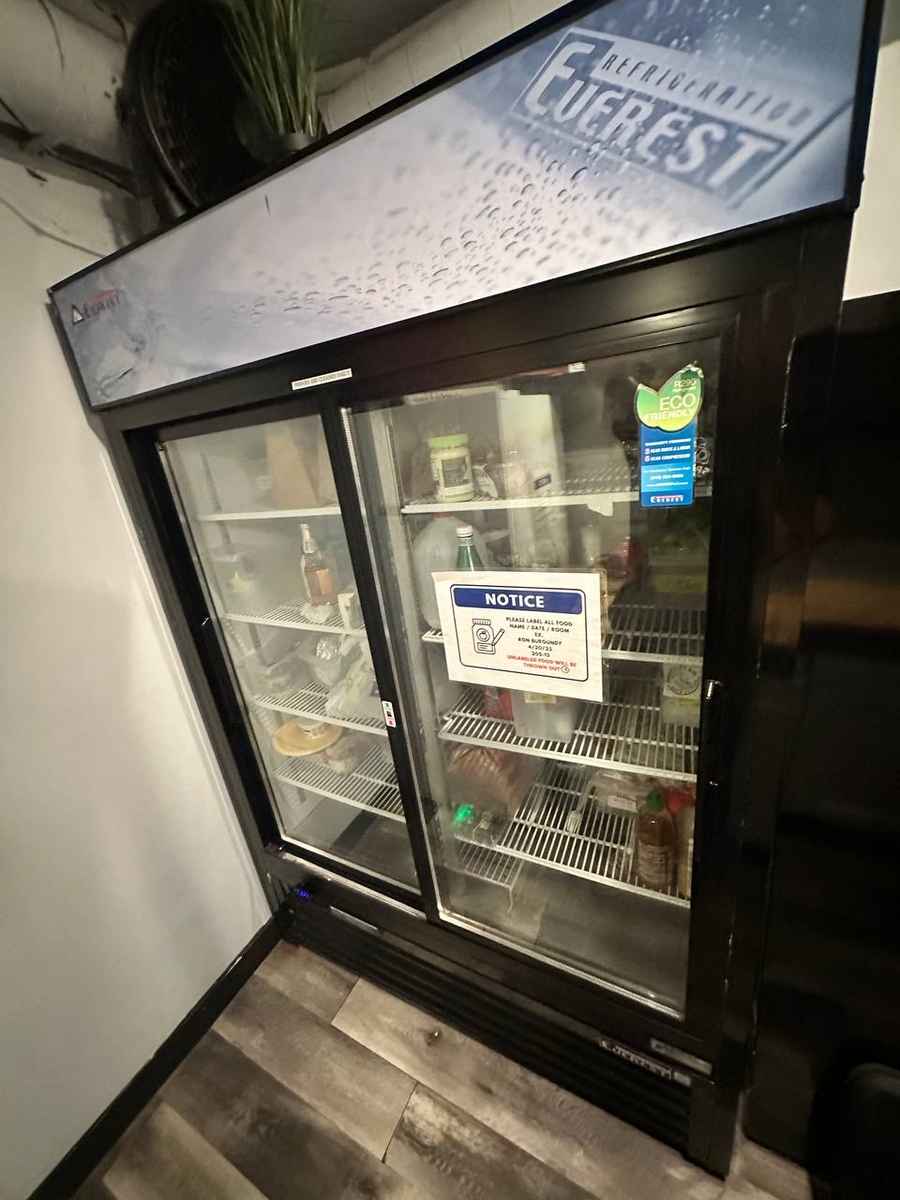
A reach-in that drifts above 41°F puts your product — and your health score — in the danger zone, and most operators reach for the worst-case assumption: a dying compressor. In San Diego kitchens the real culprit is almost always a condenser coil packed with grease and dust. This guide covers the reach-in failures we see most (Everest, True, Beverage-Air, Traulsen and the rest), what staff can check on the line, and when sealed-system work means calling an EPA-certified tech.
1. Running Warm / Not Holding Temperature — the Condenser Coil
What You’re Seeing
This is the number-one reach-in failure, and it is almost never the compressor first. The condenser coil rejects heat; in a greasy, dusty San Diego kitchen it clogs with a grey felt that chokes airflow. The unit then runs constantly, cannot hold temperature, and the compressor overheats — which is how a five-minute cleaning problem turns into a compressor replacement.
On-Site Check (Staff)
Pull the louver or grille and look at the coil: you should see clean metal fins, not a grey blanket. Brush and vacuum it until the fins are clear (monthly in most kitchens). Make sure nothing is blocking the air intake or exhaust around the unit.
When to Call a Tech
Call us if: The coil is clean and the box still runs warm — that points to low refrigerant, a condenser fan motor, or the compressor, and sealed-system work is EPA 608 certified territory.
2. Door Gaskets and Sweating Glass
What You’re Seeing
Door gaskets harden and tear with use, letting warm humid air leak in. The tell-tale sign on a glass-door merchandiser is condensation sweating on the glass, along with frost inside, longer run times and a food-safety risk. On glass doors, a failed anti-sweat heater produces the same look.
On-Site Check (Staff)
Run a dollar-bill test around the whole gasket: close the door on it and pull — it should drag. If it slides out anywhere, the seal is leaking. Inspect gaskets for tears, clean off mold, and confirm the door self-closes and the hinge is not sagging.
When to Call a Tech
Call us if: Gaskets are torn or hardened, the door sags or will not self-close, or a glass-door anti-sweat heater has failed — a tech can replace gaskets, adjust hinges and restore the seal.
3. Frost and Ice Buildup
What You’re Seeing
Frost on the evaporator or ice piling up in the cabinet usually means a defrost fault — timer, heater or termination — or a condensate drain line clogged with grease and algae so meltwater refreezes. A leaking door seal feeding in humidity makes it worse.
On-Site Check (Staff)
Check the condensate drain for a clog and clear it. Confirm the door is sealing (humidity source) and that product is not piled against the evaporator or blocking the internal vents.
When to Call a Tech
Call us if: The evaporator is iced solid, the defrost heater/timer/board is not cycling, or the drain line is frozen — these are defrost-system and drain repairs.
Down Equipment? Call Spark Appliance Repair
When commercial equipment goes down, every hour is lost service. Spark Appliance Repair is licensed and insured (California BHGS Registration #C 62399), EPA 608 Type I certified, and offers same-day service across San Diego County for calls received before noon, backed by a 90-day parts and labor warranty.
4. Compressor Short-Cycling or Running Constantly
What You’re Seeing
Once you have ruled out a dirty coil, constant running points to low refrigerant charge, a failing evaporator or condenser fan motor, or an overworked compressor. Short-cycling — clicking on and off — points to start components (relay, overload) or a control fault.
On-Site Check (Staff)
Confirm the coil is clean and both fans are spinning, and that stacked product is not blocking the evaporator or vents. Track the temperature log: a steady upward drift is your early warning.
When to Call a Tech
Call us if: A fan motor is seized, the unit needs refrigerant or sealed-system work, or the compressor start components have failed — refrigerant work is done by EPA 608 certified techs.
5. Reach-In Maintenance Schedule and Temp Logs
Commercial refrigeration is mostly a cleaning-and-logging discipline. A reach-in that gets its coil cleaned and its temps logged outlives one that does not by years — and keeps you out of the danger zone on inspection day:
Daily
- Log the temperature — keep at or below 41°F, ideally 33–38°F
- Wipe gaskets and confirm every door self-closes
- Do not block the internal vents or air intake with product
Monthly
- Clean the condenser coil — sooner in greasy kitchens
- Flush the condensate drain line
- Clean gaskets and inspect for tears
Quarterly / Semi-annual
- Professional service: sealed-system and refrigerant check, fan motors, defrost system
- Calibrate the thermostat and inspect door hardware
- Verify temp logs and HACCP holding temperatures
Related Spark Pages
- Commercial Appliance Repair San Diego
- Refrigerator Repair San Diego
- Commercial Ice Machine Repair
- Why Is My Refrigerator Not Cooling?
- Freezer Repair San Diego
Frequently Asked Questions
What’s the most common reason a commercial reach-in runs warm?
What temperature should a commercial reach-in refrigerator hold?
How often should I clean the condenser coil?
Why is my reach-in refrigerator sweating or showing condensation on the glass?
Do you service Everest, True, Beverage-Air, and Traulsen reach-ins?
Ready to Schedule San Diego Commercial Service?
Spark Appliance Repair — Spring Valley HQ, family-owned, licensed and insured, EPA 608 certified, same-day service, 90-day warranty on parts and labor.


